


Welcome to Seomra Ranga, the Hub for Primary School Resources. For the overseas visitors “Seomra Ranga” means “classroom” in the Irish language.
Seomra Ranga has been successfully providing tried and tested resources for primary school classrooms since 2007. Since that time, the site has gradually built up a strong following amongst educators as a repository of quality teacher-created resources. The resources on the site, which support all areas of the curriculum, are arranged in accordance with the curricular provisions of the Irish primary school….
Pelmanism 02
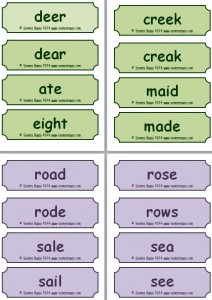 Pelmanism is the name of the memory game which you play by turning up pairs of cards from a pack and trying to pick out matching pairs. It is named after the Pelman Institute which was set up for the study of memory in London in the 1930s.
This oral language memory game focuses on homophones (words that sound the same but are spelled differently). There are three sets of sixteen cards (eight pairs) in this pack, 48 cards in all.
Jigsaw Puzzles 02
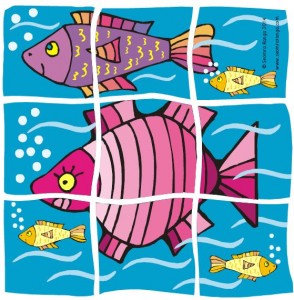 This resource is aimed at pupils in infant classes or SEN pupils. It consists of ten 9-piece puzzles with simple colourful images. They are useful for developing spatial awareness and fine motor skills.
The puzzles should be printed, laminated and cut out. They could then be stored in zippy freezer bags to keep them separate.
Book Review: The Secret Gift
 About
About
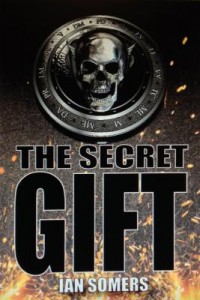
Ross Bentley has learned to harness his supernatural gifts but as he is drawn ever further into a web of deceit and corruption he realises he must get out. So he disappears and turns his back on the ‘Guild’ in order to escape his past. In this the third fast-paced adventure in the ‘secret’ series by Ian Somers, a friend calls in a favour of Ross supposedly for one last task. read more…
Movember on Seomra Ranga
 Seomra Ranga will be participating in the Movember fundraising campaign to spark conversation and raise vital funds for men’s health programmes. The Movember Foundation challenges men to grow moustaches during Movember (formerly known as November) in order to help with this fundraising drive. read more…
Pelmanism 01
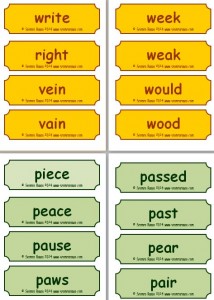 Pelmanism is the name of the memory game which you play by turning up pairs of cards from a pack and trying to pick out matching pairs. It is named after the Pelman Institute which was set up for the study of memory in London in the 1930s.
This oral language memory game focuses on homophones (words that sound the same but are spelled differently). There are three sets of sixteen cards (eight pairs) in this pack, 48 cards in all.
Sports Talk About
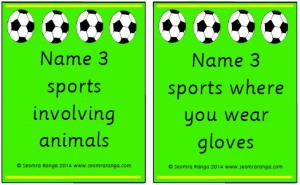 This is an oral language activity that can be done with pupils probably in middle and senior classes. On each card, a pupil is asked to name three things to do with sports. Initially, the pupil can simply name the required three items. However, the more you do this activity, the pupil could be required to speak some more about the three items they have mentioned and the reasons why they mentioned them. The aim is to develop fluency of thought, speech and delivery.
What is She/He Doing? 04
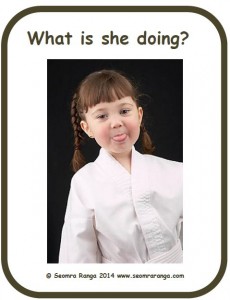 This resource is aimed at pupils in junior classes or pupils with speech and language difficulties. Its aim is to encourage oral language, especially verbs, and sentence structure. The focus can also be on the pronouns he, she and they. The teacher can start with the question at the top of each card: “What is/are he/she/they doing?” This could be followed up with questions like “Where are they?” and “How do you know?” This type of question encourages inference and deduction from the context.
Jigsaw Puzzles 01
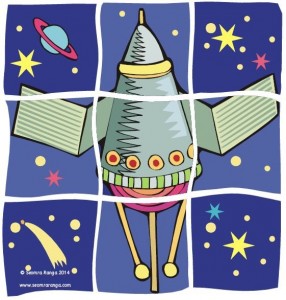 This resource is aimed at pupils in infant classes or SEN pupils. It consists of ten 9-piece puzzles with simple colourful images. They are useful for developing spatial awareness and fine motor skills.
The puzzles should be printed, laminated and cut out. They could then be stored in zippy freezer bags to keep them separate.