

Welcome to Seomra Ranga, the Hub for Primary School Resources. For the overseas visitors “Seomra Ranga” means “classroom” in the Irish language.
Seomra Ranga has been successfully providing tried and tested resources for primary school classrooms since 2007. Since that time, the site has gradually built up a strong following amongst educators as a repository of quality teacher-created resources. The resources on the site, which support all areas of the curriculum, are arranged in accordance with the curricular provisions of the Irish primary school….

Interview With Charlie Mc Conalogue – Fianna Fáil
 Charlie Mc Conalogue is from a farming background in Gleneely in Co. Donegal. He was educated at Carndonagh Community School before going on to study at UCD where he studied Economics, Politics & History.
Charlie first ran for political office in 2009, where he was elected as a Donegal County Councillor. In 2011, Charlie was elected a TD for Donegal North East at the first time of asking. He is currently Fianna Fáil’s spokesperson on Education. read more…
Interview With Jonathan O’ Brien – Sinn Féin
 Jonathan O’Brien is the Sinn Féin TD for Cork North Central. In 2011, he topped the poll in Cork North Central to become the first Sinn Féin TD in Cork in over 80 years. Before that, Jonathan was a member of Cork City Council since 2000. He is the party’s Education Spokesperson. read more…
Interview with the Green Party
 The Green Party in Ireland doesn’t currently have any TDs., although they had six seats in the previous Dáil. They have sixteen councillors on the island of Ireland working at local government level and one MLA (Member of the Legislative Assembly) in Northern Ireland. They say that removing barriers to education, at all levels, is one of their key policies. read more…
Election Resources
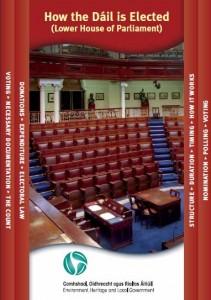 With the General Election imminent, the following is a list of online election resources that teachers may find helpful when explaining the workings of the democratic system in Ireland:
Guide To Ireland’s PR Electoral System
Education Policies of Political Parties for General Election 2016
 With the General Election less than a week away, it’s time to focus our minds on who to vote for, and, as teachers, which party/grouping/independent best meets the needs of Education for the next five years.
While a recent opinion poll on The Journal website demonstrated that the general public mentioned Education well down the list of priorities in terms of election issues read more…
General Election Poll Results
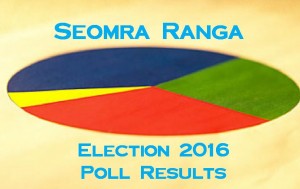 Between Tuesday and Friday this week a poll was taken on this website to ascertain the party voting intentions of teachers in the forthcoming General Election. This poll was anonymous and simply asked teachers which party they intended to give their No. 1 vote to.
When looking at the results, it must be borne in mind that it is very unscientific and because it was a public poll there is no guarantee that all of the respondents were teachers.
General Election Poll
 The General Election is just over a week away, so perhaps it’s time to get a snapshot of the voting intentions of primary teachers at this stage of the campaign. This (very unscientific!) poll is anonymous and simply asks which party you intend to give your No. 1 vote to in the forthcoming election. We’ll leave the poll open until Friday and publish the results to coincide with what I hope will be the responses to some education-related questions that I put to all of the parties this week. read more…
Titanic Vocabulary
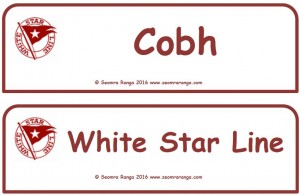 For any class doing some work on the Titanic for History or English, these flashcards would be great for a Titanic display. They contain most of the relevant vocabulary associated with the sinking of the Titanic.
(.pdf file 171 KB)