by admin | Sep 26, 2023 | 3rd/4th, 5th/6th, Visual Arts
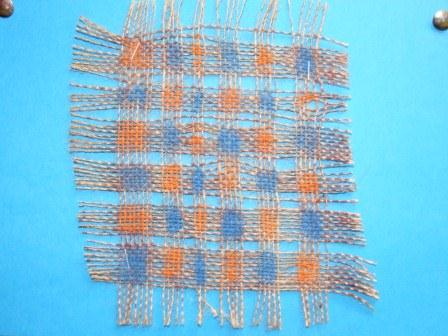
Hessian is a sackcloth-like fabric that is generally used a backing for floor carpets. It is also great for using in the “Fabric and Fibre” strand of the Visual Arts curriculum. This series of five progressive lessons using hessian fabric can be done over a three/four...
by admin | Sep 25, 2023 | 3rd/4th, 5th/6th, Visual Arts
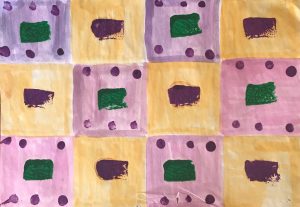
This Visual Arts resource combines using watercolours and poster paint as the media for the lesson. In a two-step process, pupils firstly create the background watercolour design in contrasting/complimentary colours and then use poster paints to create the repeated...
by admin | Sep 23, 2023 | 1st/2nd, 3rd/4th, 5th/6th, Visual Arts
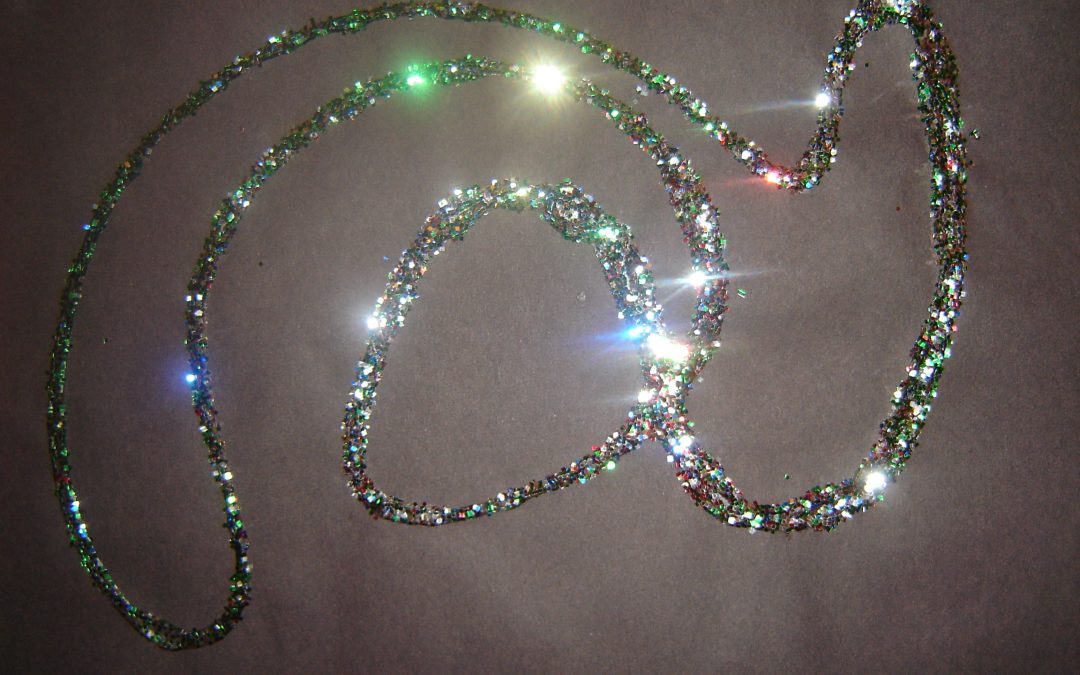
It’s funny how sometimes the easiest Visual Arts lesson turns out to be the most effective! Each time I did this lesson with whatever age group I was teaching, it was invariably one of the most popular lessons. It’s also interesting to get the pupils to give their...
by admin | Sep 23, 2023 | 3rd/4th, 5th/6th, Visual Arts
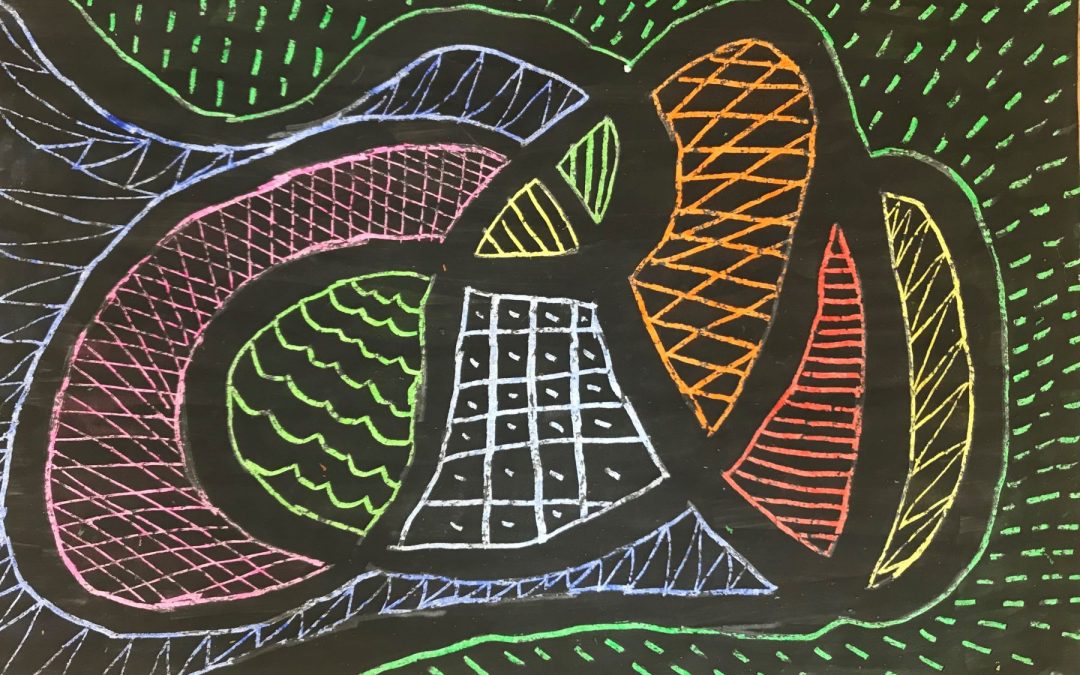
This Visual Arts lesson combines a “taking a line for a walk” lesson with wax crayons and paint. In a three-step lesson, pupils firstly create a wax crayon design. This is then completely covered in thick black paint. A pattern is then scratched out of the black paint...
by admin | Sep 22, 2023 | 3rd/4th, 5th/6th, Visual Arts
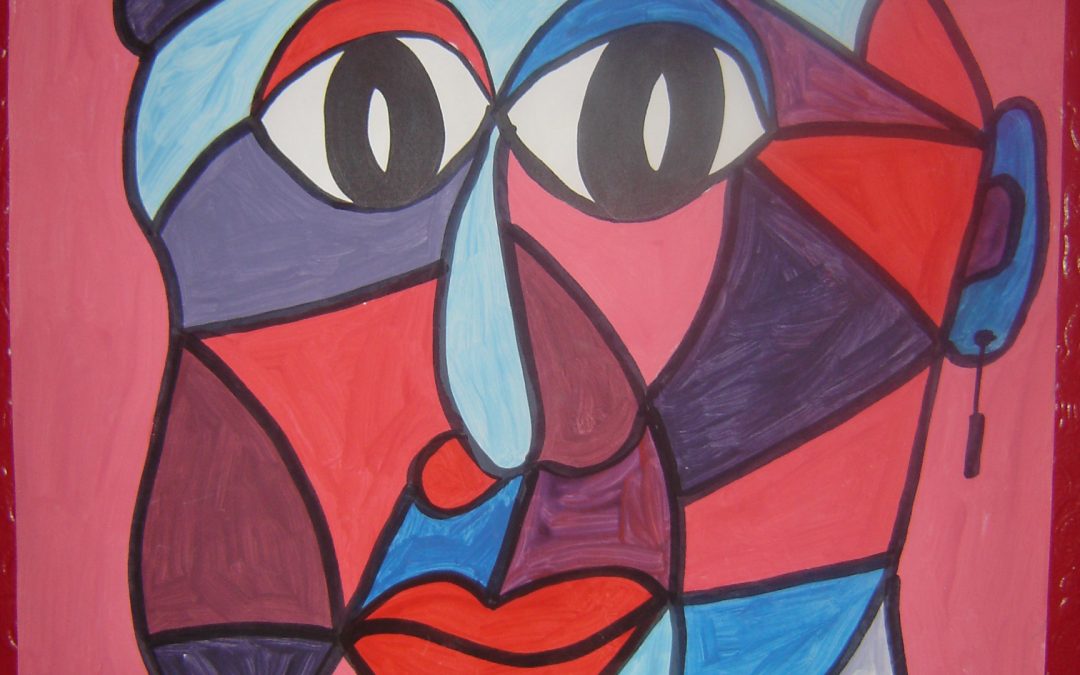
These two visual arts lessons are aimed to be integrated with a unit of work on the artist Pablo Picasso. The class should look at the life and artistic works of this Spanish artist, focusing especially on his Cubist style of paintings and the Rose and Blue Periods of...
by admin | Sep 20, 2023 | 1st/2nd, 3rd/4th, 5th/6th, Infants, Visual Arts
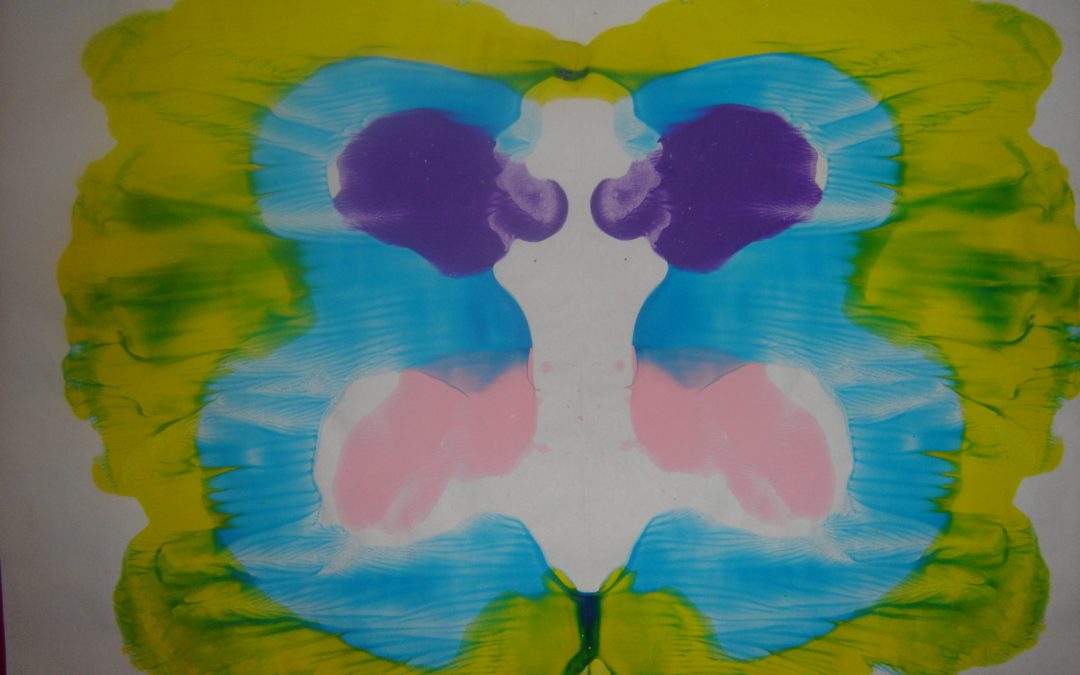
This lesson can be used as part of the Print Strand of the Visual Arts curriculum. It can also be integrated with the theme of symmetry in maths as it shows in a very visual way this mathematical concept. It uses paint poured straight from the bottle so there is no...
by admin | Sep 15, 2023 | 1st/2nd, 3rd/4th, 5th/6th, Visual Arts
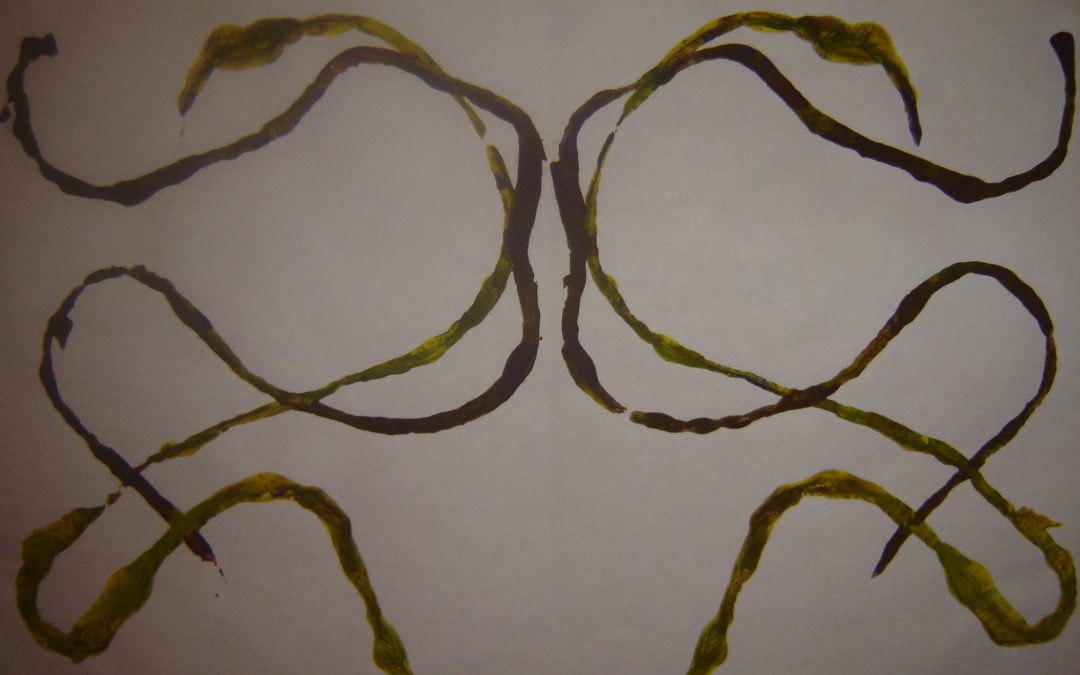
This lesson can be used as part of the Print Strand of the Visual Arts curriculum. It can also be integrated with the theme of symmetry in maths as it shows in a very visual way this mathematical concept. It also uses a very common item to produce symmetrical prints...
by admin | Sep 14, 2023 | 1st/2nd, 3rd/4th, 5th/6th, Infants, Visual Arts
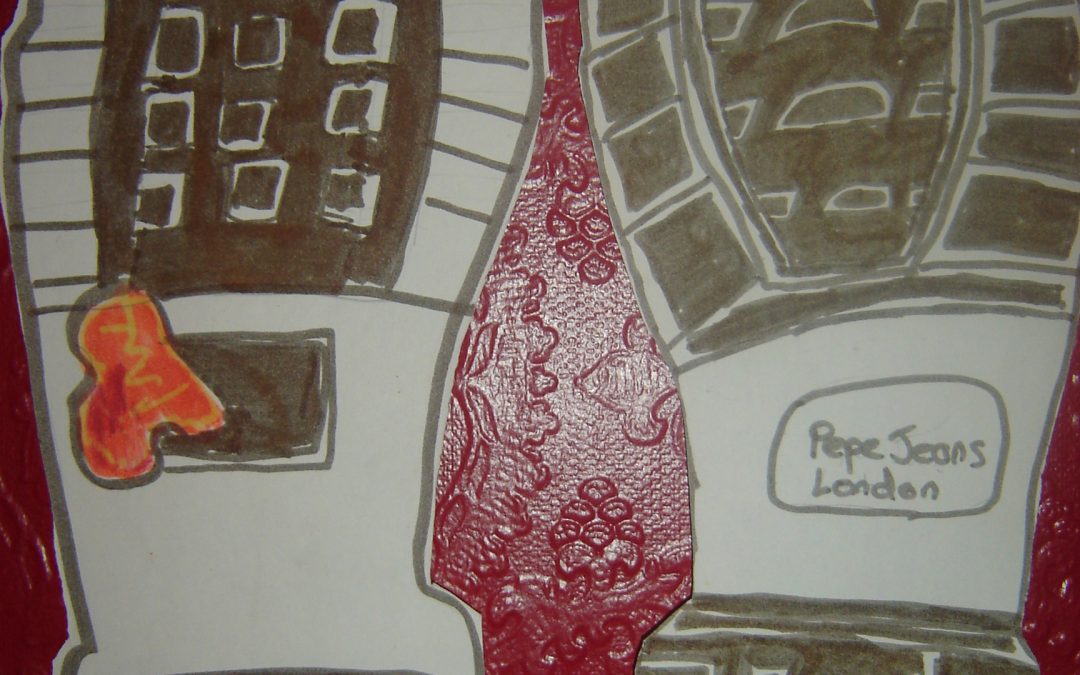
This is a really simple and easy art lesson to do, yet it is one which pupils of any age will enjoy. It focuses on the pattern of the shoes that they are wearing in school and trying to recreate that pattern onto a shoe print. A class full of these shoe prints makes...
by admin | Sep 14, 2023 | 1st/2nd, 3rd/4th, 5th/6th, Infants, Visual Arts
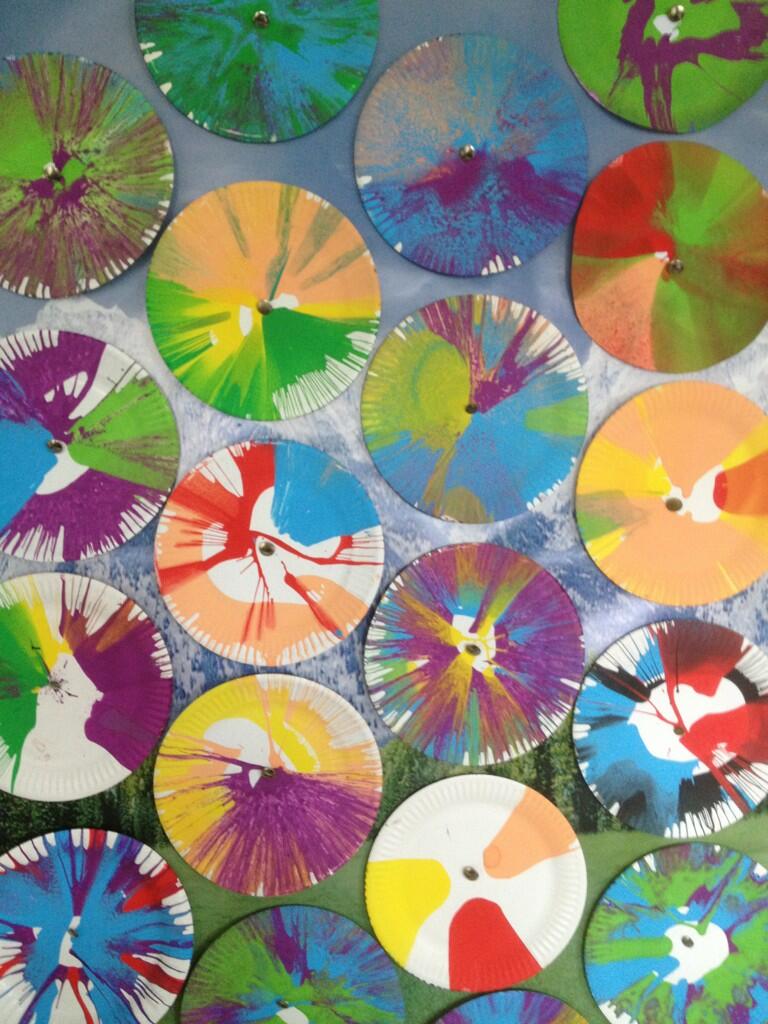
If you are not using that salad spinner at the back of the kitchen press any more, bring it in to school to make a great piece of visual art. All you need to create this effective piece of art is the salad spinner, paper plates and paint, it’s that easy. This visual...
by admin | Sep 13, 2023 | 3rd/4th, 5th/6th, Visual Arts
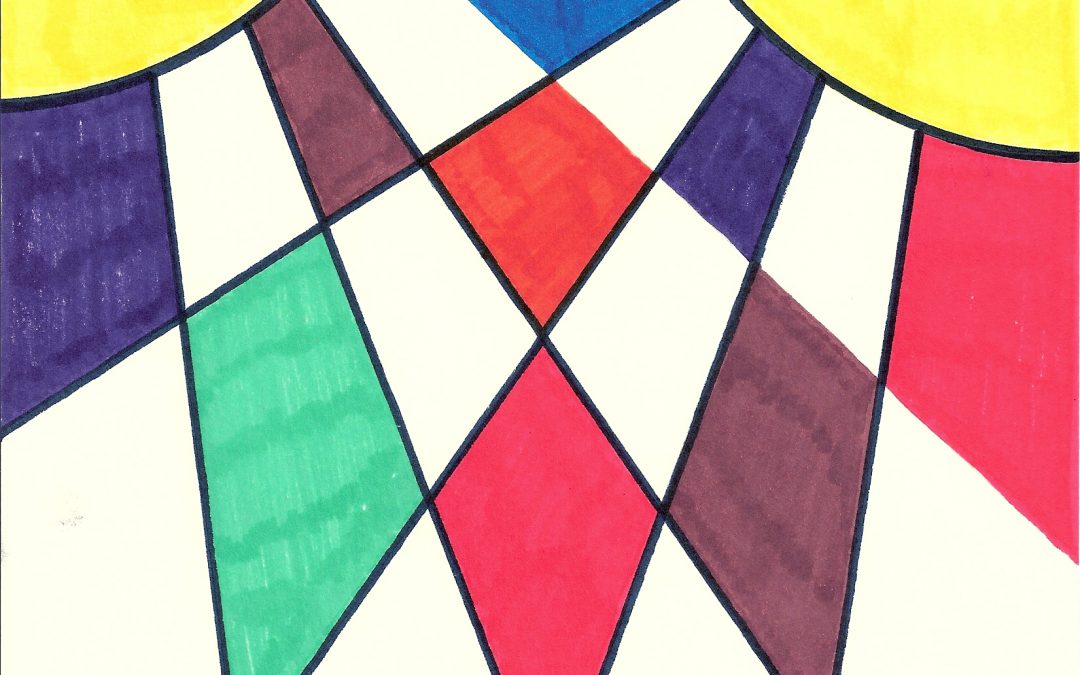
This Visual Arts resource contains two simple, yet effective, line drawings, creating a pattern which can be coloured using any art medium that you wish, eg. crayons, markers, colouring pencils or paint. They mimic rays coming out from quarter suns. The focus of both...

by admin | Sep 12, 2023 | 1st/2nd, 3rd/4th, 5th/6th, Visual Arts
This Visual Arts lesson is quite easy and quick to do. However, it can really only be done in small groups and with adult supervision for younger pupils. However, It’s one of those lessons that pupils of all abilities can do and the end product is always...
by admin | Sep 11, 2023 | 3rd/4th, 5th/6th, Visual Arts
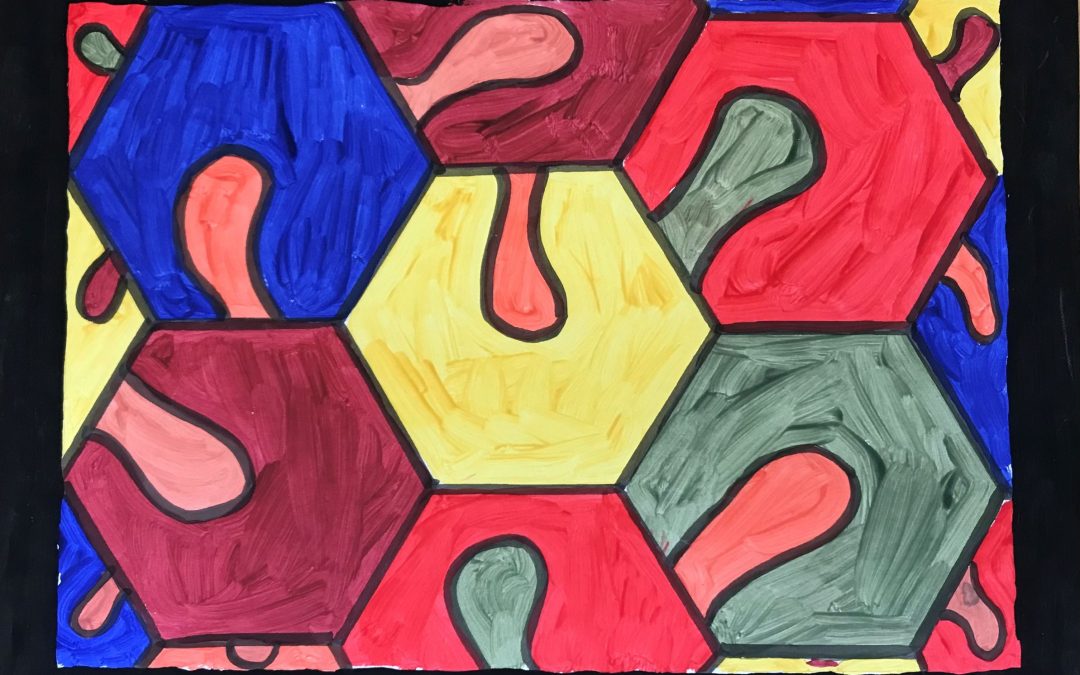
This Visual Arts lesson can be integrated with work on 2D shapes in maths. It can be completed in any medium – paint, watercolour, crayon, markers, chalk or oil pastels etc. The same method can also be used for almost any other 2D shapes also. Its focus is on use of...
by admin | Sep 11, 2023 | 3rd/4th, 5th/6th, Visual Arts
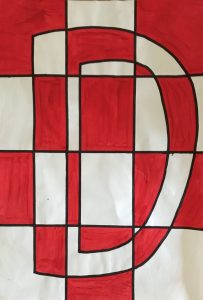
This Visual Art lesson using either paint or colours (crayons, pastels etc.) is a suitable lesson for the beginning of the year. Aimed at pupils in middle/senior classes, the lesson gets pupils to visually represent the initial of their first or second name on a grid....
by admin | Jul 10, 2023 | 3rd/4th, 5th/6th, Drama-
This set of cards aimed at pupils in middle and senior classes can be used for developing improvisation for a drama lesson. The topic on the card should suggest to the group of pupils the scenario for the improvisation. The rest of the class acts as the audience....
by admin | Jan 25, 2023 | 1st/2nd, 3rd/4th, 5th/6th, Infants, Music, Resource Packs
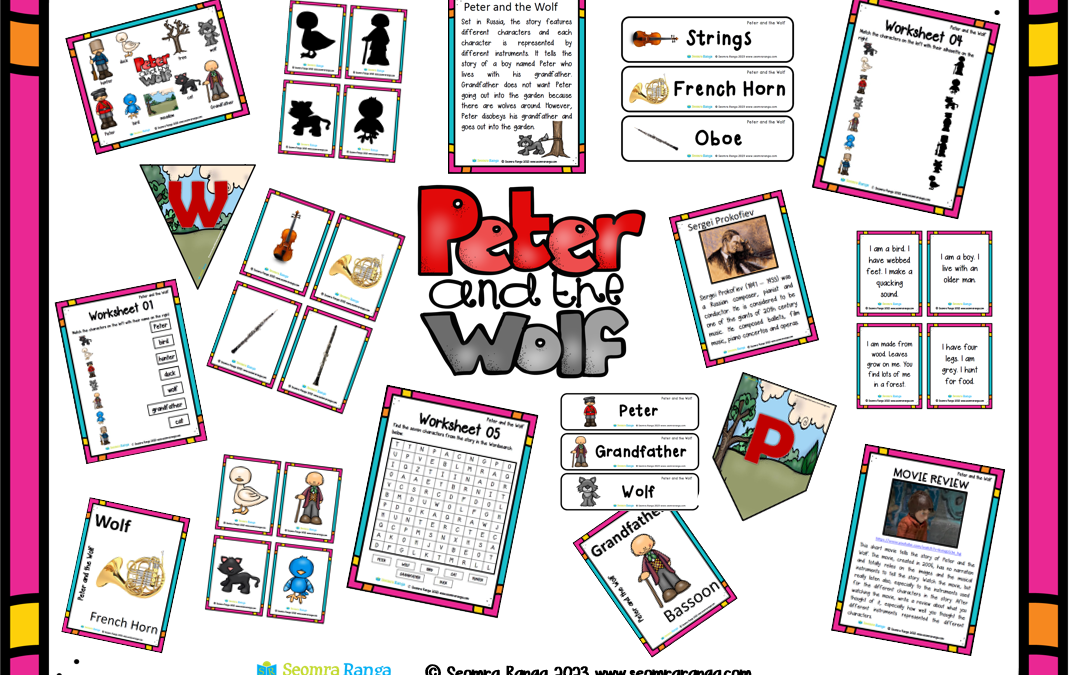
This Peter and the Wolf Resource Pack is intended to support a music topic of work on this well-known piece of music and story. It contains 16 different files with 163 pages of resource material. The pack could be used as a stimulus for the study of this piece of...